
Latest News & Executive Interviews
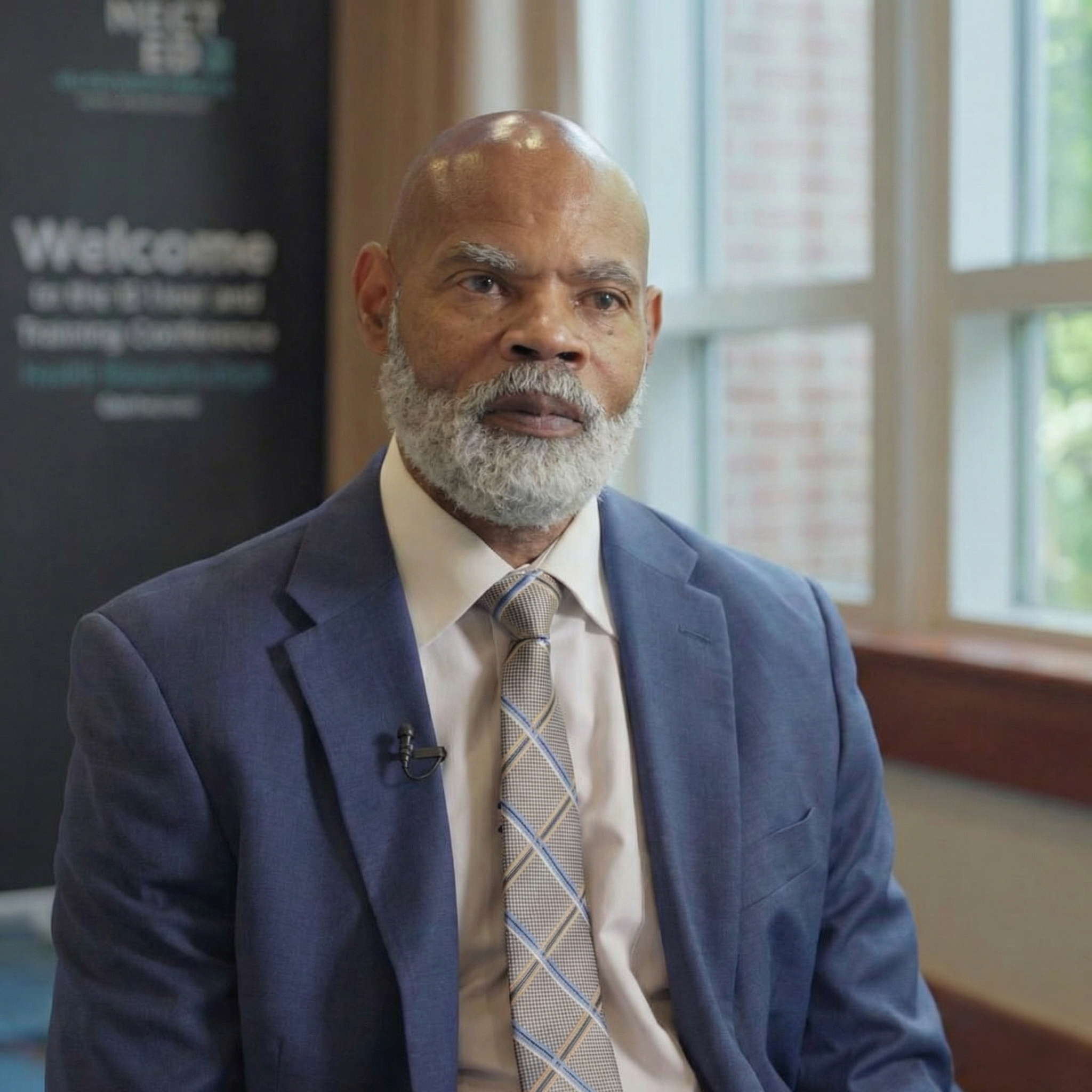
Data Is Reshaping Intelligence-Led Policing in U.S. Cities — i2 Group — February 18, 2026
For decades, American policing borrowed a familiar metaphor from mid-20th century television: gather everything, sift later, and let “just the facts” emerge. That dragnet approach made sense when information was scarce and investigations were bounded by paper files, radio calls, and eyewitness accounts. Today, law enforcement agencies face the opposite problem. Data is abundant, continuous, and fragmented across thousands of digital systems.

Global AI Regulations Fuel Billion-Dollar Market for AI Governance Platforms – Gartner – February 18, 2026.
The cost of unmanaged AI risk is escalating. According to Gartner, by 2030, fragmented AI regulation will quadruple and extend to 75% of the world’s economies, driving $1 billion in total compliance spend.
This regulatory wave is transforming AI governance platforms from nice-to-have to a critical necessity. With spending on AI data governance expected to reach $492 million in 2026 and surpass $1 billion by 2030, organizations are reassessing the tools and strategies needed to stay ahead of both regulatory and operational risk. We spoke with Lauren Kornutick, Director Analyst at Gartner, to understand what organizations must consider as they evaluate and adopt AI governance platforms.

AI-Led Job Disruption Will Escalate, While Fears Of A Job Apocalypse Are Overstated – Forrester – February 17, 2026.
Forrester forecasts that automation and AI will have a real but modest impact on jobs through 2030. While AI could account for 6% of total US job losses, equating to 10.4 million roles, widespread AI-driven job replacement remains unlikely, as labor productivity would need to accelerate significantly for AI to replace human talent at scale. Rather than eliminating roles, Forrester forecasts that AI will augment 20% of jobs over the next five years, making it essential for businesses to invest in employee training and upskilling.

Europe’s Tech Services Market Hits New High in Q4, on Strong AI, Cloud, Managed Services Demand – ISG – February 17, 2026.
The EMEA ISG Index, which measures commercial outsourcing contracts with annual contract value (ACV) of US $5 million or more, shows fourth-quarter ACV for the combined market (both managed services and cloud-based as-a-service) advanced 27 percent, to a record US $10.9 billion. It was the region’s eighth consecutive quarter of combined market growth, averaging 16 percent in that span.

Gartner Says Worldwide Semiconductor Revenue Grew 21% in 2025 – Gartner – February 13, 2026.
Worldwide semiconductor revenue totaled $793 billion in 2025, an increase of 21% year-over-year (YoY), according to preliminary results by Gartner, Inc., a business and technology insights company.

CEO confidence in revenue outlook hits five-year low – as AI becomes a defining divide between leaders and laggards: PwC 2026 Global CEO Survey – PwC – February 12, 2026.
According to PwC’s Global CEO Survey, only three-in-ten (30%) CEOs say they are confident about revenue growth over the next 12 months—down from 38% in 2025 and 56% in 2022. The findings suggest that as CEOs navigate a complex operating environment shaped by rapid technological change, geopolitical uncertainty, and economic pressure, many companies have yet to translate investment into consistent financial gains. The survey is based on responses from 4,454 CEOs across 95 countries and territories.

AI Accelerates North American Utility Modernization – ISG – February 12, 2026.
The 2025 ISG Provider Lens Power and Utilities Industry — Services and Solutions report for North America finds that utilities across the region are shifting from reactive to predictive and proactive operating models as distributed energy resources (DERs), electric vehicles and customer expectations for digital services increase system complexity. Enterprises are engaged in decades-long technology transformations while navigating ever-evolving regulations, heightened cyber risk and long-term capital constraints.
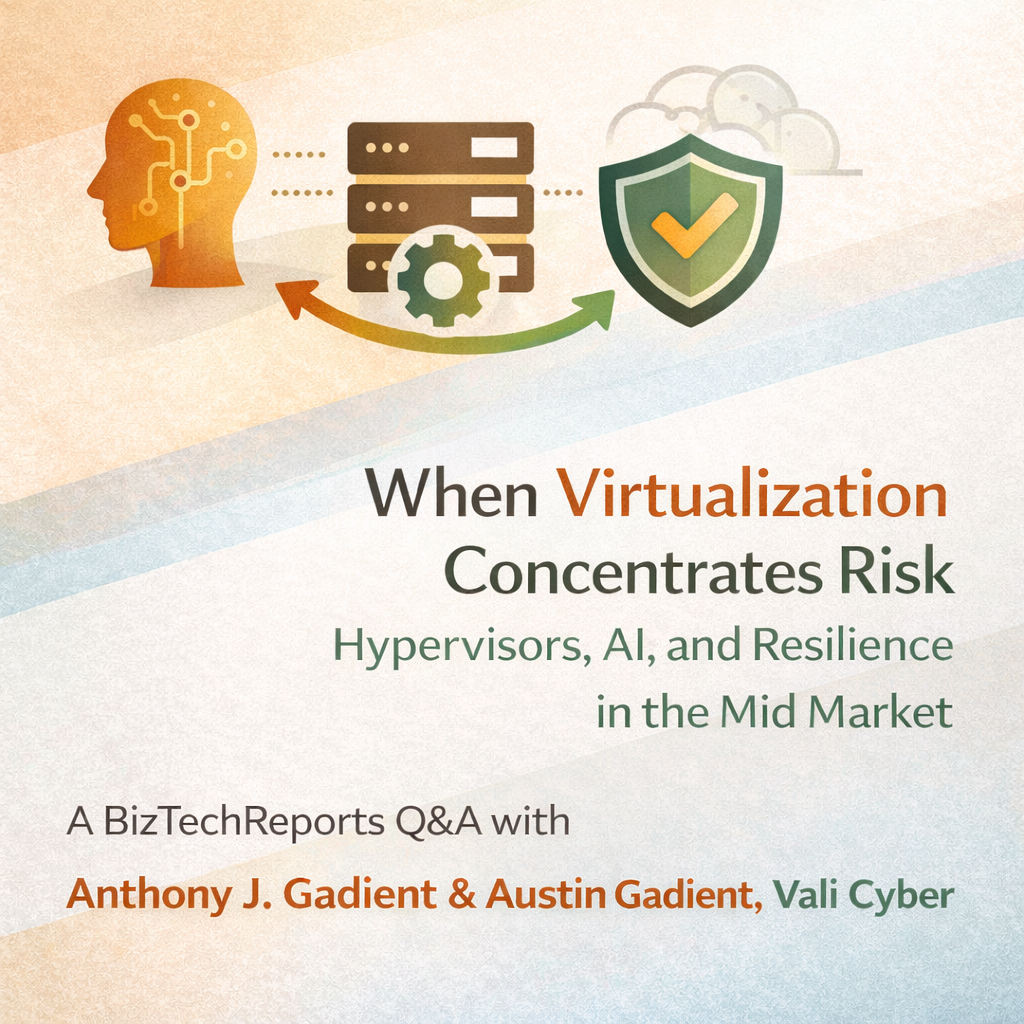
When Virtualization Concentrates Risk: Hypervisors, AI, and Resilience in the Mid Market — Vali Cyber — February 11, 2026
The mid-market’s growing reliance on shared infrastructure is quietly reshaping its risk profile. Virtualization has made computing more flexible and affordable, but it has also concentrated critical workloads behind a single control layer that was never designed with today’s threat landscape in mind. As attackers increasingly target virtual infrastructure rather than discrete applications, hypervisors are moving from a technical abstraction to a strategic imperative.

As Workloads Move Back On-Prem, Hypervisors Emerge as a Quiet Mid-Market Risk – Vali Cyber — February 10, 2026
For much of the past decade, organizations of all sizes have appeared to pursue an overarching IT strategy focused on a steady migration to public cloud services. Today, rising costs, regulatory demands, and the growing use of AI are leading many, especially in the mid-market, to reconsider how much computing should be outsourced and how much should be brought back on-prem for more direct management.

Gartner Says Worldwide AI Spending Will Total $2.5 Trillion in 2026 – Gartner – February 09, 2026.
Worldwide spending on AI is forecast to total $2.52 trillion in 2026, a 44% increase year-over-year, according to Gartner, Inc. a business and technology insights company.

AI Elevates Payroll’s Workforce Value, ISG Says – ISG – February 06, 2026.
The ISG Buyers Guides for Payroll Management, produced by ISG Research, provide the rankings and ratings of 29 software providers and their products to support agile, integrated payroll capabilities that meet growing enterprise requirements. The research finds that companies increasingly need payroll systems that help them navigate complex regulations, view data in real time and satisfy rising employee expectations for financial flexibility.

Gartner Predicts 60% of Brands Will Use Agentic AI to Deliver Streamlined One-to-One Interactions by 2028 – Gartner – February 05, 2026.
By 2028, 60% of brands will use agentic AI to facilitate streamlined one-to-one interactions, according to Gartner, Inc, a business and technology insights company.
This transformation in marketing strategy will shift traditional channel-based approaches and usher in a new era of personalized, autonomous engagement. These AI agents will act as persistent digital concierges, seamlessly spanning marketing, sales and support to create hyperpersonalized experiences.

Fewer than One in Five Companies Have a Dedicated Geopolitics Department – BCG – February 04, 2026
In 2025, global policy uncertainty reached a 20-year peak, more than four times higher than during the global financial crisis and around 50% above COVID-19 levels. Senior executives now cite trade reconfiguration, weakening multilateral institutions, and the weaponization of economic tools as persistent threats to business continuity and competitiveness. As geopolitical disruption becomes a defining feature of global business, most companies still lack the ability to systematically anticipate, assess, and respond to these risks, with less than 20% of companies having created a dedicated geopolitics department.

AI Boosts Analytics to Empower Enterprises, ISG Says – ISG – February 04, 2026.
The ISG Buyers Guide™ for Analytics, produced by ISG Software Research, provide the rankings and ratings of 21 software providers and their products for all aspects of analytics. The research finds that business intelligence requirements continue to expand and now include sourcing of data, collaboration across teams, predictive insights and the use of analytics for planning, forecasting and performance guidance. The Buyers Guide for Analytics Emerging Providers, published in conjunction with the Analytics guide, evaluates 12 next-generation companies on the leading edge of these technologies.

AI-Driven Super Bowl Season, Transparency is the New Creative Advantage for Marketers – Gartner – February 03, 2026.
Super Bowl advertising often previews the creative and channel strategies marketers will lean on all year. In 2026, expect a bigger shift toward pre‑game releases and activations, more obvious and disclosed AI usage, and a sharper fight for attention powered by celebrities, humor and “shop-now” moments that bridge digital and physical experiences.
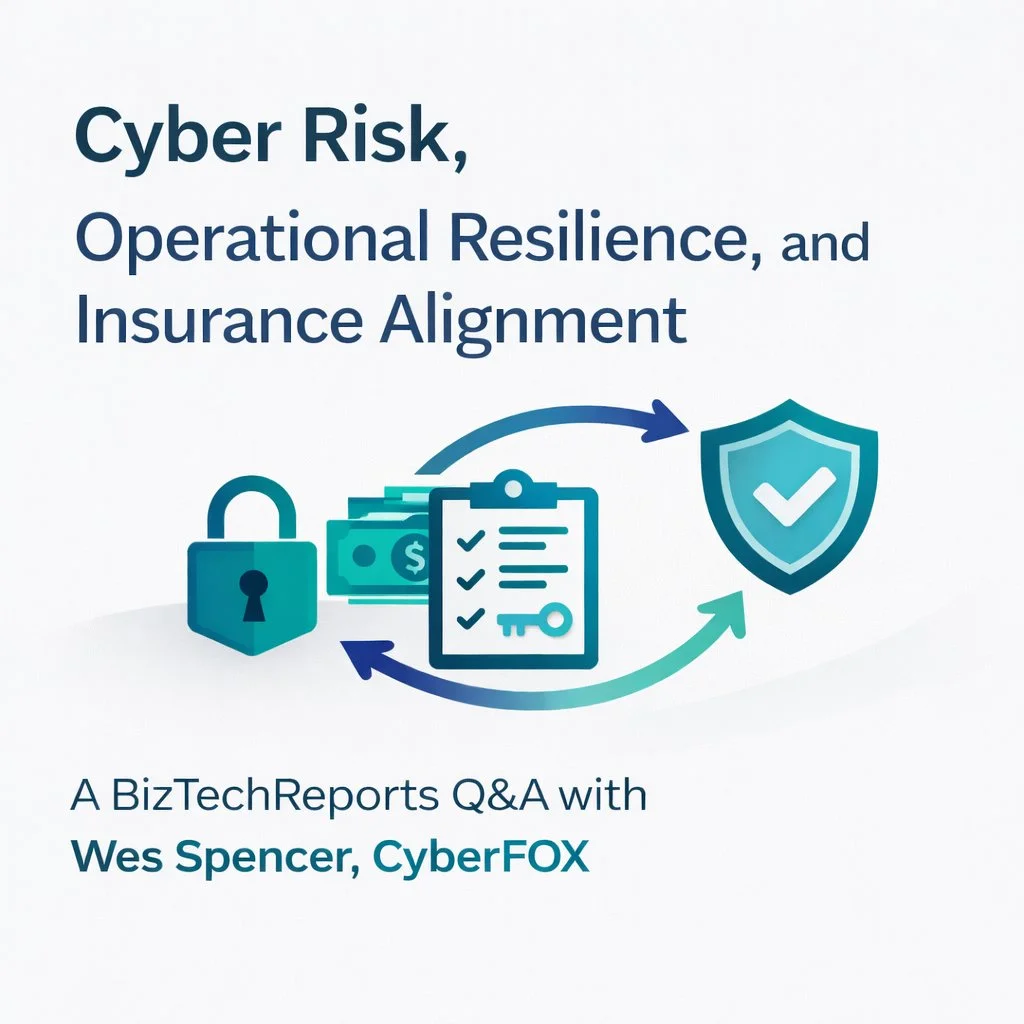
Cyber Risk, Operational Resilience, and Insurance Alignment — CyberFOX — January, 28, 2026
Mid-market industrial organizations — spanning manufacturing, energy distribution, utilities, and their associated supply chains — are undergoing a profound shift in how they think about cybersecurity and operational resilience. Once able to rely on physical separation and legacy processes to protect industrial control systems, these organizations now operate in a digitally connected environment where the line between IT and OT is increasingly blurred. Ransomware attacks targeting OT networks have surged dramatically, often arriving through weak points in IT infrastructure before pivoting into production systems. At the same time, cyber insurers — facing years of escalating claims — have recalibrated their underwriting requirements, pushing for higher levels of identity security, privileged access management, and continuous visibility.

AI glasses market: 47% CAGR growth to 35M units by 2030 – Omdia – January 26, 2026.
The AI glasses market is poised for robust growth, with global shipments projected to surge from 5.1 million units in 2025 to over 35 million units by 2030.

Identity, Insurance, and Operational Risk: Mid-Market Industrial Firms Face a New Cybersecurity Reality — CyberFOX — January, 27, 2026
In response to rising ransomware attacks that are targeting mid-market industrial organizations, a consensus is emerging among business leaders that a much more integrated, multi-disciplinary strategy is needed to reduce risk and enhance resilience across both IT and operational technology environments. This is because manufacturers and utilities are being forced to confront risks their legacy systems were never engineered to withstand.

Reframing Financial Crime Compliance for the Mid-Market — WorkFusion — January 21, 2026
Financial crime compliance has long been treated as a necessary but burdensome function within banks. Many have suggested that these initiatives represent an operational cost center designed to satisfy regulators rather than actively reduce risk. For mid-market financial institutions, that model is under increasing strain. Regulatory expectations that once applied primarily to global banks have steadily cascaded downstream, while staffing shortages, rising alert volumes, and expanding data requirements make traditional operating models difficult to sustain.

Mid-Market Banks Turn to AI as Compliance Burden Outpaces Headcount — WorkFusion — January 20, 2026
For mid-market financial institutions, financial crime compliance is emerging as a broader risk-management challenge, one that extends beyond meeting regulatory requirements to integrating fraud prevention, customer risk, and operational controls across the bank. Regional and super-regional banks face many of the same anti-money-laundering (AML), sanctions, and know-your-customer (KYC) obligations as the largest global institutions, but without comparable scale, staffing depth, or technology budgets. As regulatory expectations continue to cascade downstream, these banks are increasingly turning to artificial intelligence not as an experimental add-on, but as a way to keep their compliance programs viable, according to David Caruso, vice president of financial crimes and compliance at WorkFusion, speaking during a BizTechReports executive vidcast interview.