
Latest News & Executive Interviews

Life Sciences Sector Reframes High Performance Compute Strategy as AI Drives Demand for Flexible Infrastructure – Parallel Works - May 8, 2026
Artificial intelligence is reshaping how life sciences organizations approach the role of infrastructure to support its data-intensive operations. In the process, it is exposing limitations in legacy high-performance computing environments and accelerating a shift toward more flexible, hybrid data processing models. These dynamics were examined in a recent BizTechReports executive vidcast interview with Matthew Shaxted, CEO of Parallel Works, who described how AI-driven demand is forcing organizations to rethink how compute resources are provisioned, governed, and optimized across increasingly fragmented environments.

MSP Marketing Models Lag Behind Structural Shift in B2B Buying Behavior – Ilan Vagenshtein
Managed service providers are confronting a widening gap between how they market their services and how enterprise and mid-market buyers evaluate technology partners. This is creating a structural inefficiency that is limiting growth across the sector. At the center of this trend is a fundamental shift in buying behavior. Technology buyers are no longer entering vendor-led sales processes at the beginning of their journey. Instead, they are completing the majority of their evaluation independently, often narrowing their consideration set before any direct engagement occurs.
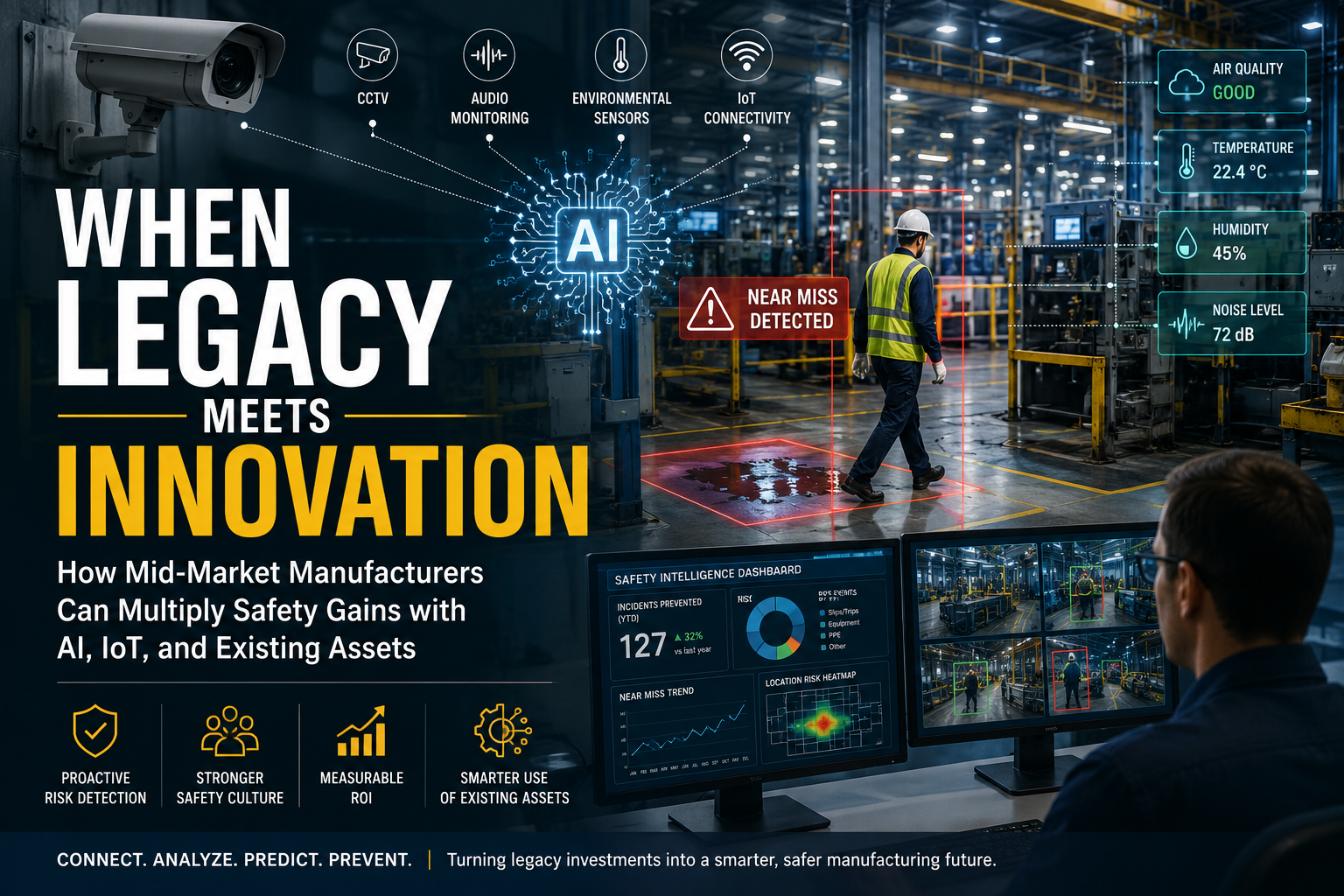
When Legacy Meets Innovation: How Mid‑Market Manufacturers Can Multiply Safety Gains
In mid‑market manufacturing, safety investments have traditionally been evaluated one system at a time — a new camera network here, an upgraded environmental sensor there. But according to Sharath Tadepalli, Director & Global Practice Leader for Data Science, Machine Learning and Artificial Intelligence at HGS, the real breakthrough comes when these legacy assets are connected and enhanced with emerging technologies such as artificial intelligence, machine learning, and the Internet of Things.

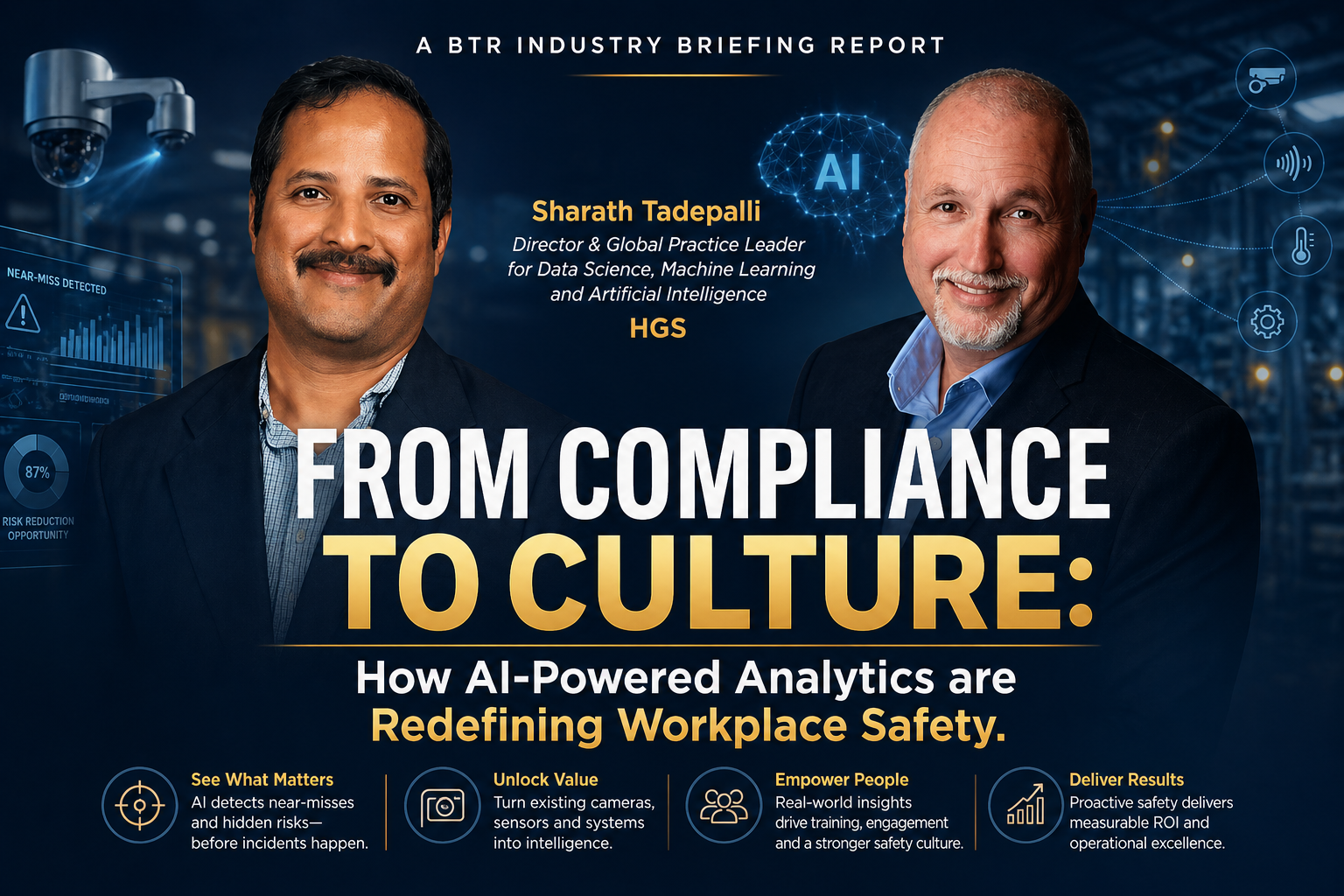
From Compliance to Culture: How AI-Powered Analytics Are Redefining Workplace Safety – HGS - April 29, 2026
Workplace safety is undergoing a fundamental shift — moving from a box‑ticking exercise in compliance reporting to a strategy centered on practical and proactive risk reduction. Artificial intelligence, combined with the strategic use of existing operational infrastructure, is enabling organizations to identify hazards earlier, train employees more effectively, and integrate safety into the broader concept of the “employee experience.”
In an executive BizTechReports vidcast interview, Sharath Tadepalli, Director & Global Practice Leader for Data Science, Machine Learning and Artificial Intelligence at HGS, described how AI‑driven analytics are evolving beyond surveillance to become strategic tools for risk management, operational efficiency, and workforce engagement.
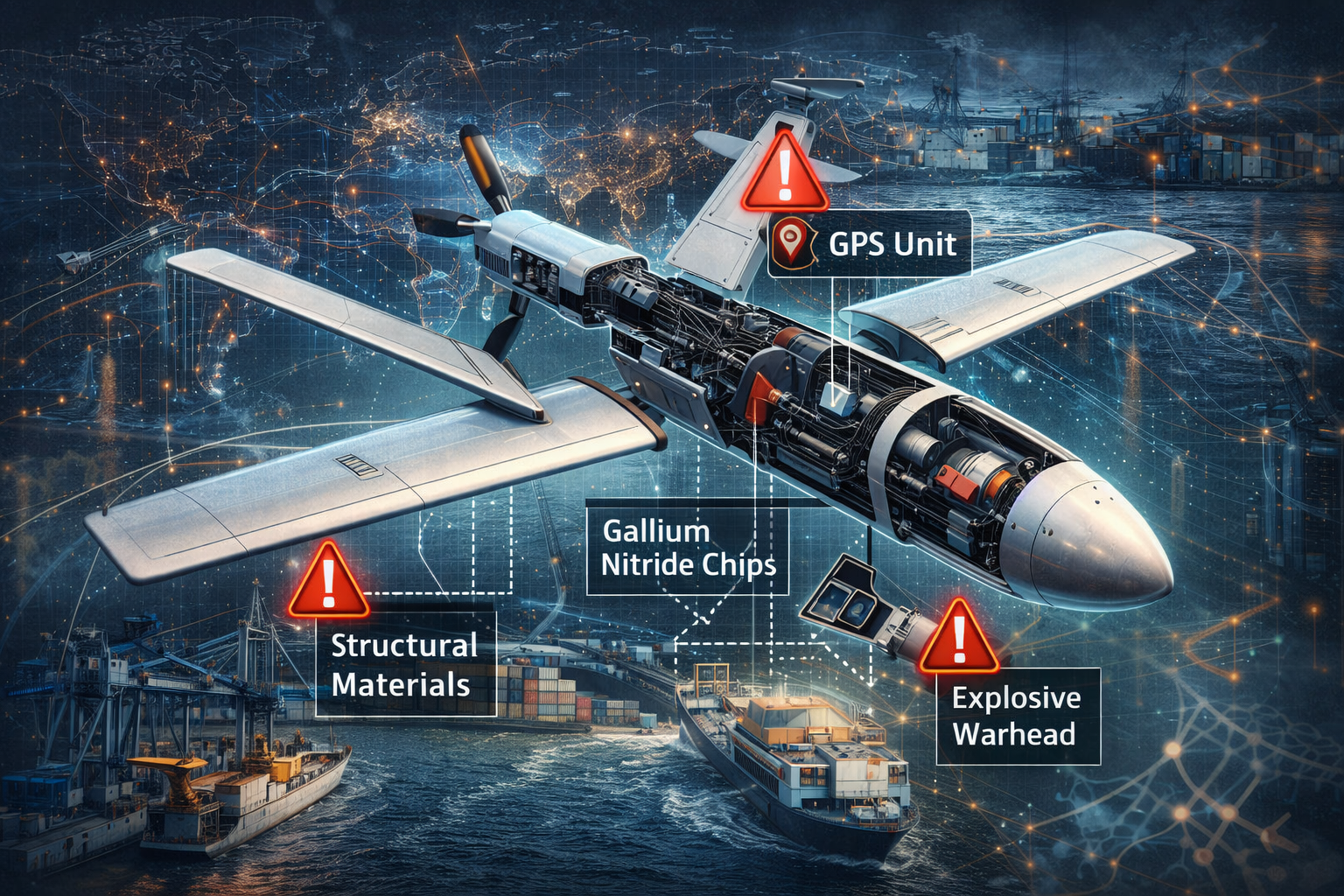
U.S. Military and Intelligence Agencies Turn to Supply Chain Mapping in Effort to Degrade Iran's Drone Production Capacity — i2 Group - April 2, 2026
Now weeks into active U.S. and Israeli military operations against Iran, Iranian unmanned aerial systems (UAS) continue striking U.S. military bases and civilian infrastructure across the Middle East.
American defense and intelligence organizations are consequently exploring new ways to disrupt the global supply networks that keep Iranian drone production running.

Iran Conflict Spotlights Need to Map Global Proxy Connections and Relationships -- i2 Group’s Cormac Meiners - March 27, 2026
The current conflict with Iran has been building, relationship by relationship, across four decades and multiple continents, placing new urgency on tracking the diffuse and often hidden connections between Iranian proxy networks and drug cartels in Latin America, whose interactions carry increasingly unpredictable and far-reaching consequences.
So says Cormac Meiners, a retired Green Beret and i2 Group's federal lead for the Department of War and the intelligence community (IC), whose firm has spent more than 30 years developing software to map exactly these kinds of complex, shifting networks.
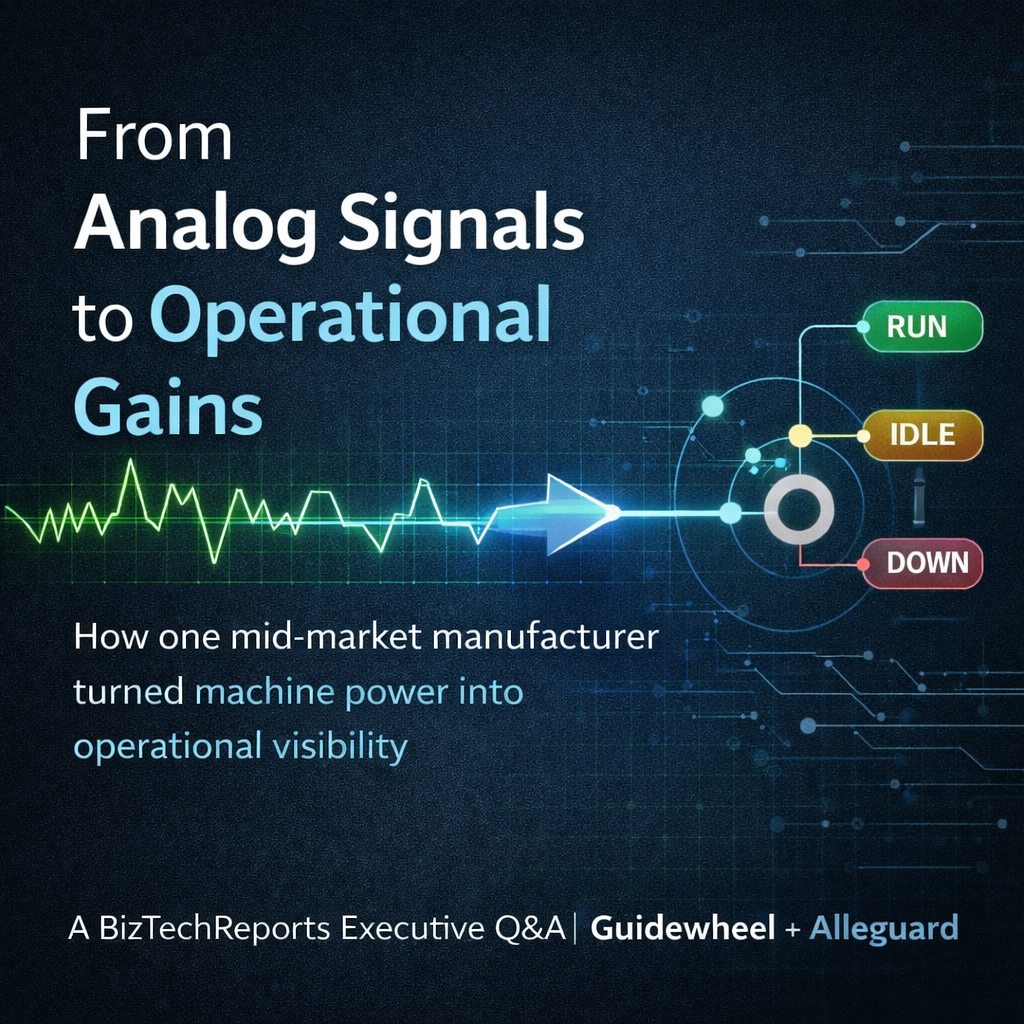
Case Study: How One Mid-Market Manufacturer Turned Analog Power Signals Into AI-Driven Operational Gains — Guidewheel — March 18, 2026
Mid-market manufacturers are entering the AI era with less patience for experimentation and more exposure to consequences. The sector is being pushed to invest by cost pressure and competitive urgency, but it is also being forced to confront an uncomfortable reality. A large share of AI initiatives still stall in pilots, fail to operationalize, or produce unclear returns, even as budgets keep rising.

How Monitoring Analog Power Signals to Feed AI Is Reshaping Performance at Mid-Market Manufacturer Alleguard — Guidewheel — March 17, 2026
Mid-market manufacturers are entering the AI era with less patience for experimentation and more exposure to consequences. The sector is being pushed to invest by cost pressure and competitive urgency, but it is also being forced to confront an uncomfortable reality. A large share of AI initiatives still stall in pilots, fail to operationalize, or produce unclear returns, even as budgets keep rising.
CIO 100 Leadership Live Atlanta Coverage: AI Spending Enters a Reckoning Phase as Enterprises Demand Returns on Early Bets
After two years of heavy investment in artificial intelligence, corporate technology budgets are hitting a moment of truth, with executives facing mounting pressure to show that early AI commitments are generating measurable returns rather than accumulating as sunk costs.
That market reality framed nearly every conversation at the CIO 100 Leadership Live conference held March 5 at the Westin Buckhead Atlanta.
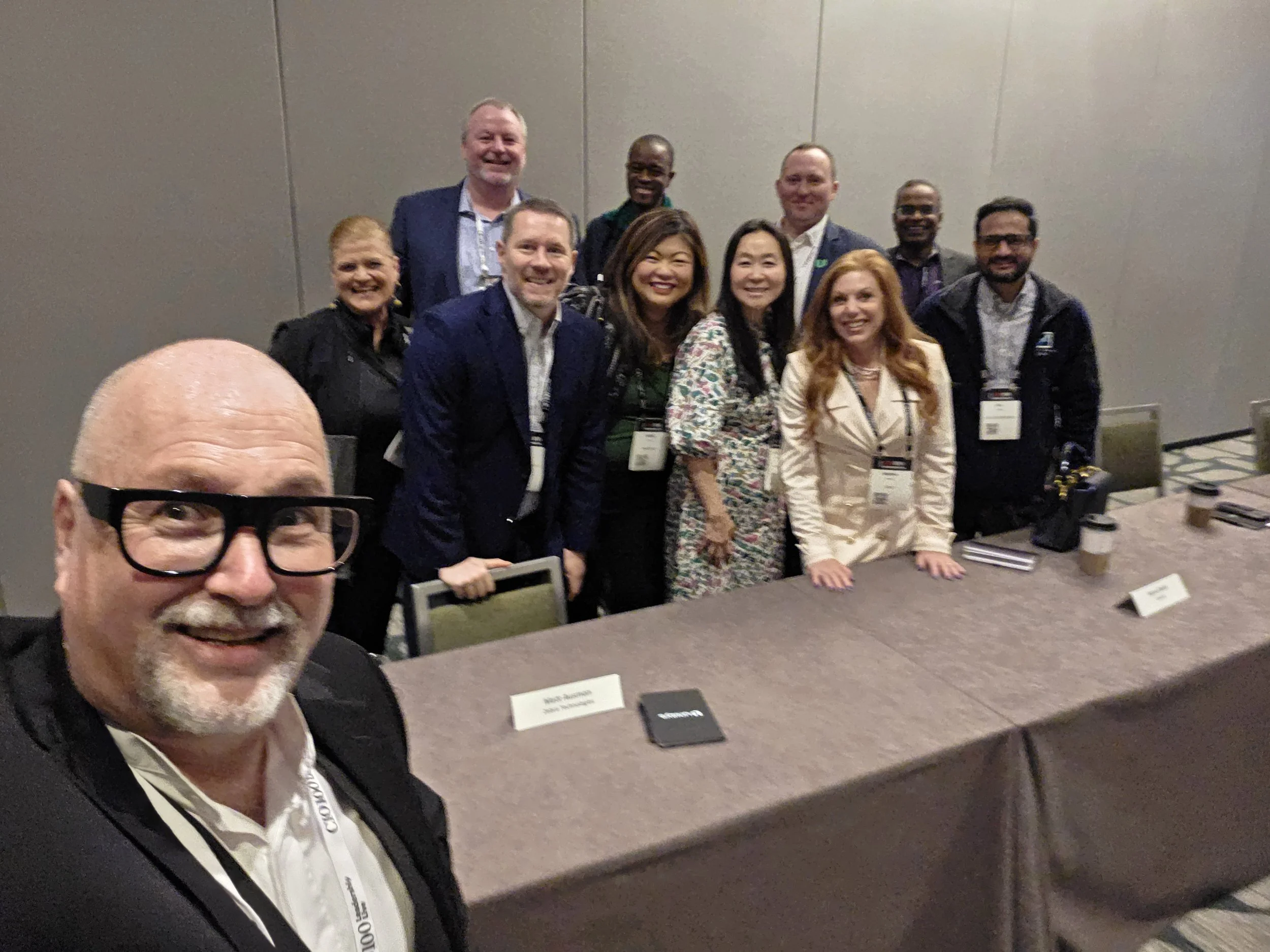
CIO 100 Leadership Live Atlanta: Enterprises Revisit Knowledge Management as AI Raises the Stakes for Data, Automation, and Decision Making – Unisys - March 11, 2026
As companies accelerate investments in artificial intelligence, enterprise technology leaders are placing renewed attention on knowledge management. Executives say the way organizations capture, structure, and apply operational knowledge will play a decisive role in determining how effectively AI systems function inside the enterprise.
This was a theme that emerged during a roundtable discussion among technology executives at CIO 100 Leadership Live in Atlanta.

Perforce CTO Anjali Arora Says AI Transformation Demands New Data Strategy and Workforce Model – CIO 100 Leadership Live Atlanta - March 11, 2026
As enterprises accelerate investments in artificial intelligence, many are discovering that the hardest part of the transition is not deploying algorithms or modernizing infrastructure. The greater challenge is reshaping how organizations manage data, develop software, and prepare their workforce for a world in which humans and AI systems operate together.
That was the message delivered by Anjali Arora, chief technology officer of Perforce Software, during the CIO 100 Leadership Live in Atlanta.
Governance, Accountability and the Rise of Autonomous AI: Why enterprise leaders must rethink control as intelligent agents move from assistance to execution — m-pathy — February 27, 2026.
As corporations accelerate the deployment of artificial intelligence across operations, a growing chorus of technologists, regulators and risk specialists is warning that governance, accountability and intellectual-property protection are lagging dangerously behind innovation.

Enterprises Confront Growing Governance Gap as AI Agents Move Into Core Operations – m-pathy – February 25, 2026
As corporations accelerate the deployment of artificial intelligence across operations, a growing chorus of technologists, regulators and risk specialists is warning that governance, accountability and intellectual-property protection are lagging dangerously behind innovation.
From Dragnet to Decision Engine: Intelligence-Led Policing in an Era of Data Abundance — i2 Group — February 19, 2026
Law enforcement agencies are no longer debating whether data should inform policing decisions; the question now is whether institutions are organized to act on the data they already have. As intelligence-led models move from theory into daily operations, many state and local departments are discovering that success depends less on technology adoption than on leadership alignment, workforce design, and the ability to translate analytical insight into timely operational choices. That shift has raised new questions about how intelligence functions are staffed, funded, and governed as well as whether existing structures are suited to an environment where information arrives continuously and decisions must be made faster than ever.

Cybersecurity Leaders Warn of AI-Accelerated Threats, Identity Fragility, and Geopolitical Risk -- FutureCon Baltimore - February 18, 2026
Cybersecurity leaders from government, enterprise, and the security industry gathered in Baltimore last week for the FutureCon Cybersecurity Conference, outlining a threat landscape defined less by incremental change than by structural disruption.
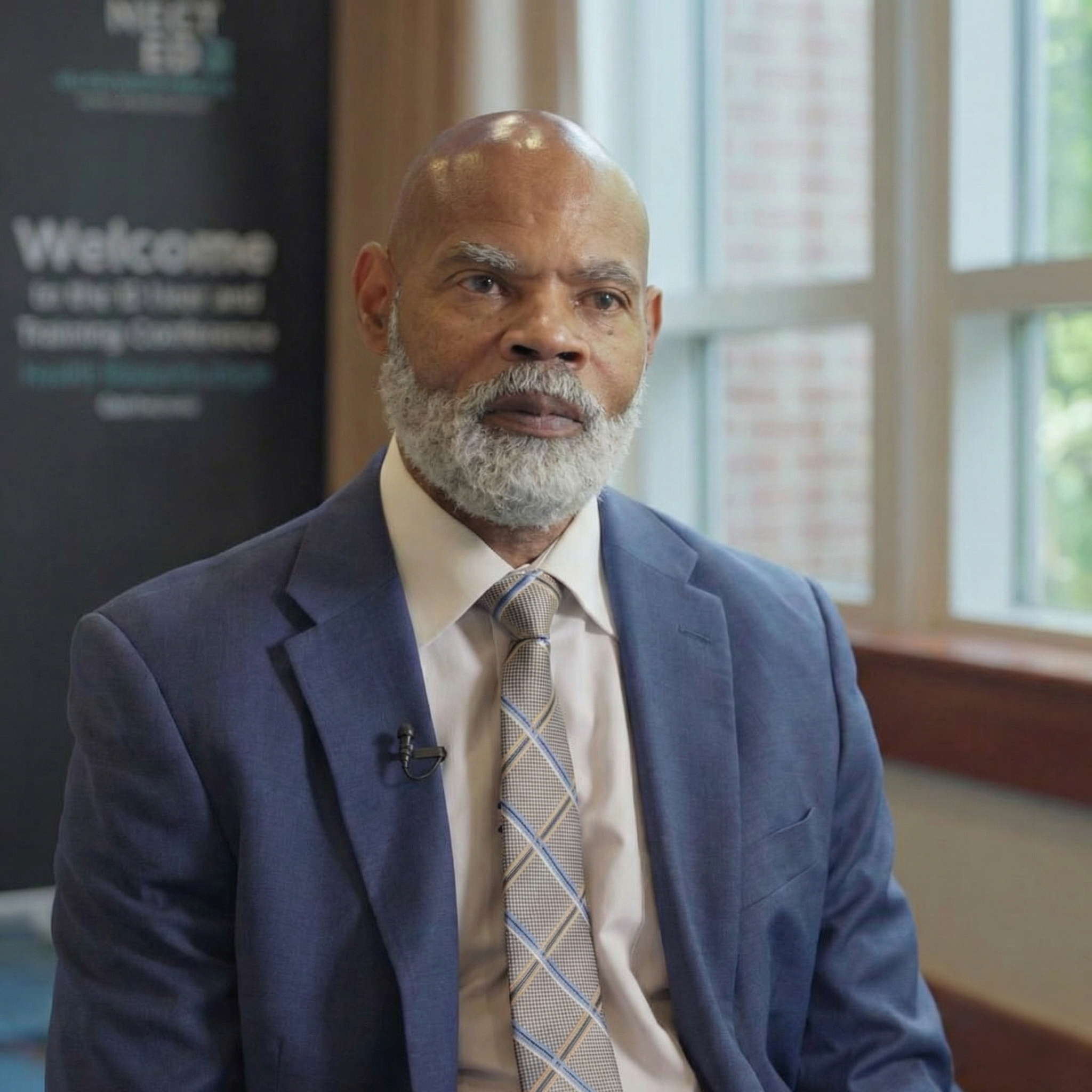
Data Is Reshaping Intelligence-Led Policing in U.S. Cities — i2 Group — February 18, 2026
For decades, American policing borrowed a familiar metaphor from mid-20th century television: gather everything, sift later, and let “just the facts” emerge. That dragnet approach made sense when information was scarce and investigations were bounded by paper files, radio calls, and eyewitness accounts. Today, law enforcement agencies face the opposite problem. Data is abundant, continuous, and fragmented across thousands of digital systems.
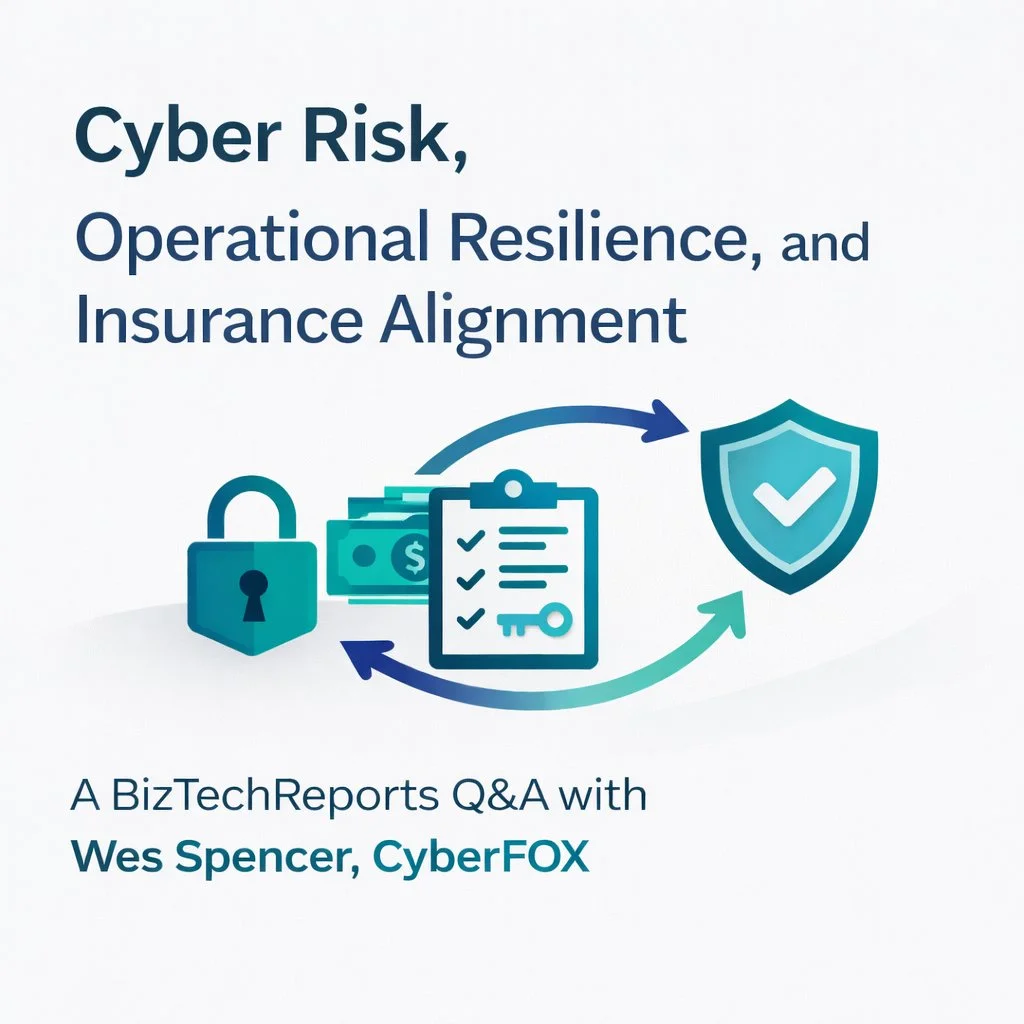
Cyber Risk, Operational Resilience, and Insurance Alignment — CyberFOX — January, 28, 2026
Mid-market industrial organizations — spanning manufacturing, energy distribution, utilities, and their associated supply chains — are undergoing a profound shift in how they think about cybersecurity and operational resilience. Once able to rely on physical separation and legacy processes to protect industrial control systems, these organizations now operate in a digitally connected environment where the line between IT and OT is increasingly blurred. Ransomware attacks targeting OT networks have surged dramatically, often arriving through weak points in IT infrastructure before pivoting into production systems. At the same time, cyber insurers — facing years of escalating claims — have recalibrated their underwriting requirements, pushing for higher levels of identity security, privileged access management, and continuous visibility.

Identity, Insurance, and Operational Risk: Mid-Market Industrial Firms Face a New Cybersecurity Reality — CyberFOX — January, 27, 2026
In response to rising ransomware attacks that are targeting mid-market industrial organizations, a consensus is emerging among business leaders that a much more integrated, multi-disciplinary strategy is needed to reduce risk and enhance resilience across both IT and operational technology environments. This is because manufacturers and utilities are being forced to confront risks their legacy systems were never engineered to withstand.
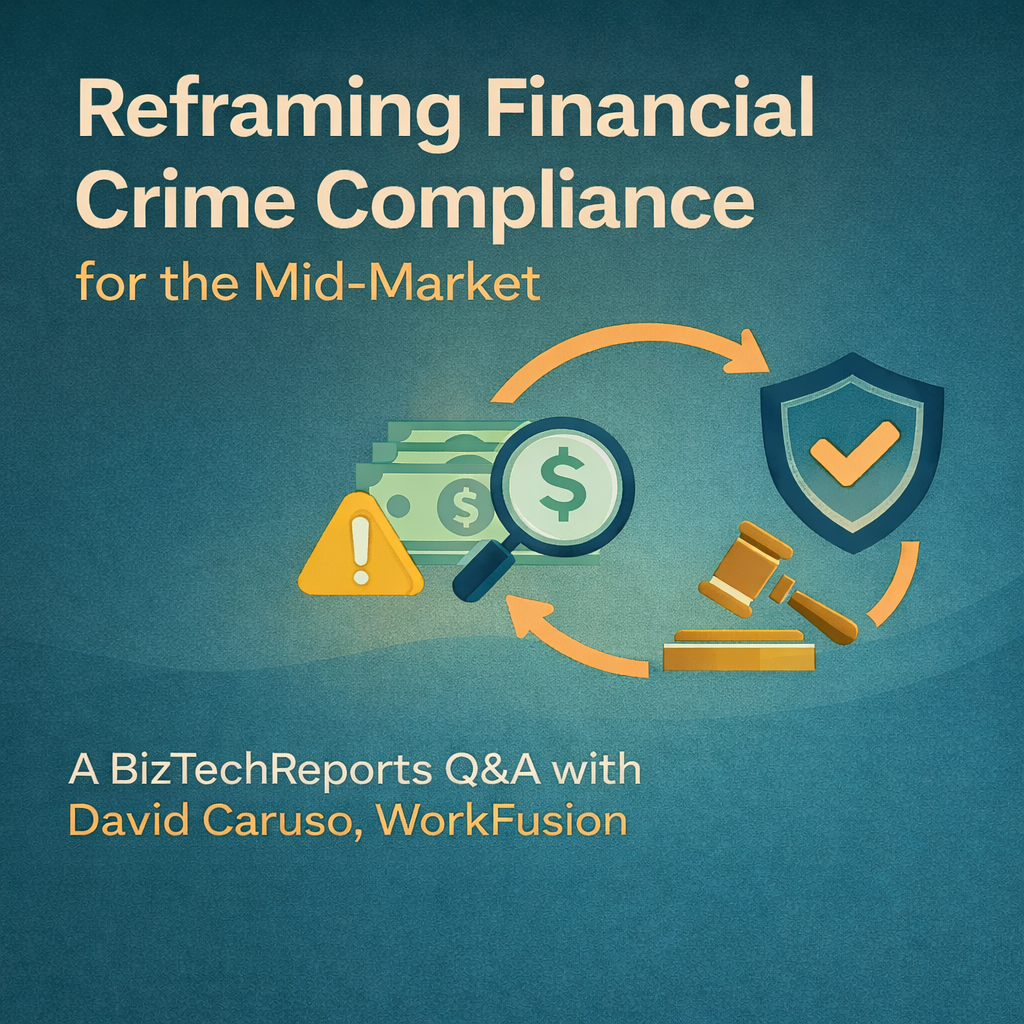
Reframing Financial Crime Compliance for the Mid-Market — WorkFusion — January 21, 2026
Financial crime compliance has long been treated as a necessary but burdensome function within banks. Many have suggested that these initiatives represent an operational cost center designed to satisfy regulators rather than actively reduce risk. For mid-market financial institutions, that model is under increasing strain. Regulatory expectations that once applied primarily to global banks have steadily cascaded downstream, while staffing shortages, rising alert volumes, and expanding data requirements make traditional operating models difficult to sustain.